Invasion, drought, and fires interact to degrade native plant communities
2025-Current
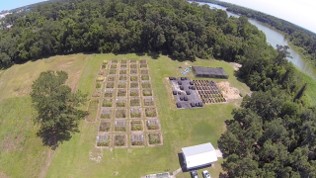
Climate change, invasive species, and disturbances such as fire are major drivers of global environmental change, yet their combined, long-term effects remain poorly understood. For instance, extreme climate conditions may alter fire-invasion dynamics, where fire promotes the spread of invasive, fire-adapted plants by reshaping post fire recovery. I was invited to work on this project by my supervisor, Dr. S. Luke Flory. His team had conducted a 10-year field experiment in Florida, where they tested the interactive effects of invasion, simulated drought, and repeated prescribed fire on native plant communities. Plots either received an experimental invader (cogongrass, Imperata cyclindrica) or were left to only natural invasion from surrounding areas (i.e., control) in separate treatments with and without simulated droughts in a factorial design.
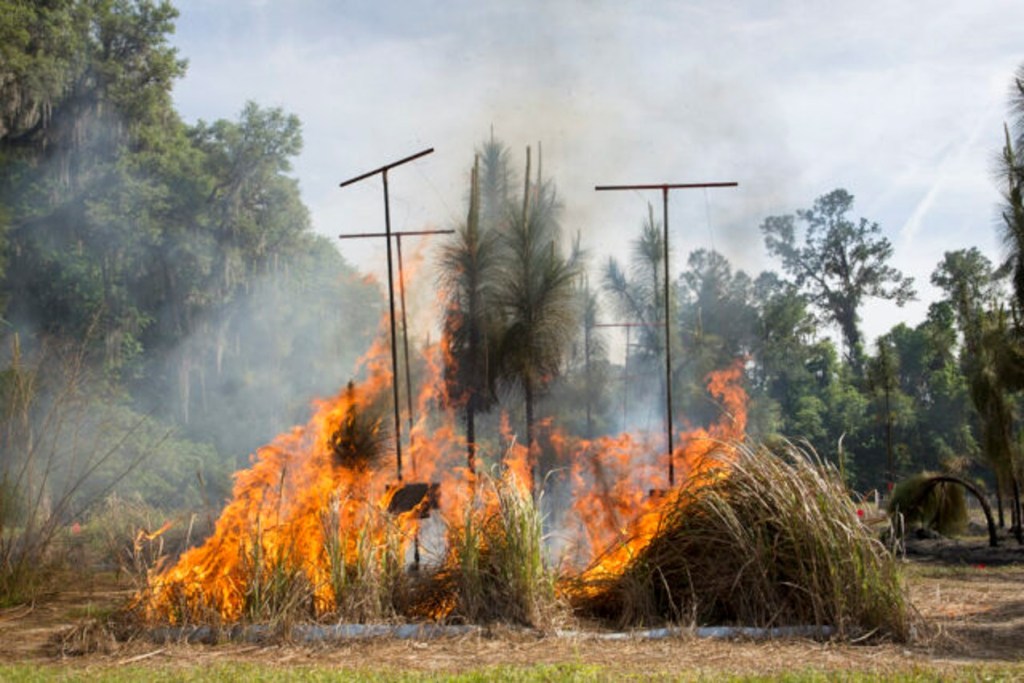
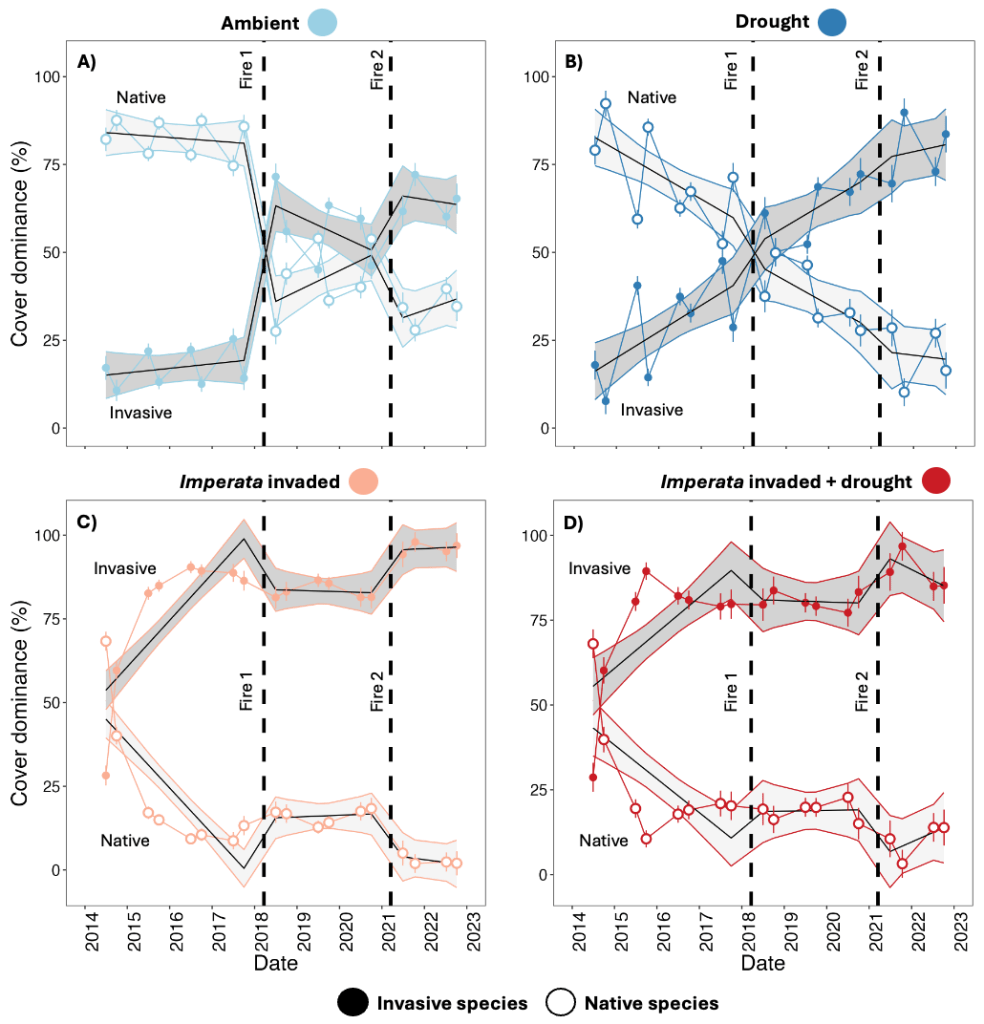
Working on analyzing the results from their immense efforts, I found that before fires, cogongrass exerted the strongest suppressive effect, reducing native dominance by 52% and species richness by 42%. However, repeated fires led to large increases in naturally occurring invaders, causing over 300% declines in native dominance and nearly doubling native species loss. Fire effects compounded over time, accelerating invader dominance even within heavily invaded plots. These trends were caused largely by fires creating short-term recruitment windows for annual invaders while not seriously suppressing perennial invaders. Simulated drought altered these dynamics. Invasion increased in pulses following fire under ambient conditions but rose more gradually under simulated drought. Overall, our results provided experimental evidence for the fire-invasion cycle and show how it can be moderated by extreme climate conditions. We demonstrated that interacting global change drivers can destabilize even well-established plant communities, highlighting the importance of considering multiple stressors when forecasting and managing invasion under climate change.